


Winter notes from the Commons
The winter months, December, January and February were generally wet and windy. There were very few frosts or wintery showers and snow days were almost non-existent. Only on Feb 15th did snow lay briefly on the ground. The following notes are a summary over the three month winter period of the wildlife encountered, generally by Mark Clements and myself.
Mark started the winter with 156 Pink-footed Geese heading southeast (03 Dec), 25 Siskin and 2 Redwings. Stuart Jones reported 2 Fieldfares, 2 Bullfinch and a Little Egret (04 Dec) on the North East Norfolk Bird Club website (https://www.bird.club/clubs/north-east-norfolk-bird-club). A Firecrest, Mediterranean Gull and 378 Pink-footed Geese heading south-east were reported (11 Dec) followed by 32 lapwing heading north-west (14 Dec). A further 9 Lapwing were seen heading west (17 Dec) as were 38 Pink-feet. In the wet wood a Firecrest was present and unusually a single Mute Swan was observed flying south. A single Snipe was flushed from the central marsh and a Fox was seen crossing Pill-box Hill (24 Dec), also a Water Rail was reported on the NENBC website by Martin & Ann Sawyers. Further reports of Firecrest, Mediterranean Gull and 6 Siskin followed (25 Dec). The first Woodcock of the winter was seen, as was a Chiffchaff and 12 Siskin (26 Dec). A flock of 11 Lapwing and also 2 Egyptian Geese were noted heading east the same day. Two Red Kites passed westward and a Snipe was flushed from the central marsh also a flock of 12 Redwings and a Chiffchaff was present. (29 Dec). The Chiffchaff was still present (31 Dec) and 3 male and 1 female Bullfinch were feeding in willows. A Grey Wagtail and 4 Goldcrests were also noted. Wintering Chiffchaffs have become more noticeable in recent years although the trend started over 50 years ago. It is thought that the majority of wintering birds are from southern Scandinavia or continental Europe although there is no definitive evidence from ringed birds as yet.
The New Year (01 Jan) kicked off with 2 Water Rails at the main pond, 2 Snipe and 3 Woodcock around the site and the wintering Chiffchaff. Small numbers of Redwing (3) and Siskin (4) were in the wet wood area (04 Jan) and 7 Lapwing passed over. The return to some willows of the Giant Willow Aphid was also noted. Some 35 Lapwings were feeding on the Common north of the A149 amongst numerous gulls (06 Jan). A group of 3 Red Kites passed over heading northwest and 4 Lapwings headed north (07 Jan). A Woodcock and 4 Snipe were also flushed from the site. A Firecrest was reported on the NENBC website by Dave Horton (08 Jan). The first bee, a queen Buff-tailed Bumblebee was noted visiting Gorse flowers (14 Jan). Up to 3 Snipe and a Woodcock were generally present throughout the second half of the month. A flock of 12 Redwing were in the wet wood area (20 Jan) and the Jelly-ear Fungus was also present. Tawny Owls were calling and reported by Dave Billham on the NENBC website (29 Jan). The familiar ‘To-wit to-woo’ of the Tawny Owl is made by not one bird but by a pair. The female makes a sharp ‘kee-wick’ sound whereas the male makes the typical hooting ‘twoo’ call. When done in duet the iconic call is produced.
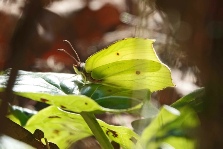
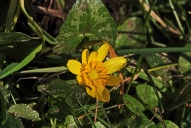
An unusual ‘blue melanistic’ Pheasant was seen with two females (03 Feb) and 2 Woodcock were flushed from Bracken (04 Feb). Dave Billham reported Firecrest and Woodcock on NENBC website (08 Feb). An Oyster Mushroom was found (12 Feb) and on the Back Common Sweet Violets and Lesser Celendines were flowering (14 Feb). The next day they were covered in snow briefly. Some 10 days later (24 Feb) the weather was very spring-like and the first reptiles of the year were spotted by a visitor to the Commons. An Adder and a Grass Snake also the first butterfly, a Brimstone, were reported by Sandi Monger. As the good weather continued the following day (25 Feb) 2 Red Kites and 5 Buzzards drifted over the Common and a Firecrest was singing. Further Brimstones were seen as was a Small White and Gorse Shieldbugs. A flock of 40 Linnets were assembling near the main pond prior to roosting and in the pond the first frog’s spawn was present (27 Feb). The following day (28 Feb) the Common Frogs had also spawned in the scrape and a Mistle Thrush was heard singing.
Many of you may know about the litter picking group that collects rubbish from the Commons and streams. It is called the Sheringham Loke RiverCare Group and works through the ‘Keep Britain Tidy’ campaign. Unfortunately the present group leader/organiser has had to step down so if anybody would like to take on the leadership or find out more about the role could they please contact rivercare@keepbritaintidy.org. Basically it is a volunteer role which mainly involves organising at least four local litter-picking events each year, promoting these events locally, and liaising with the KBT team for support and equipment.
Francis Farrow – Hon. Warden